
Why People Pleasing is Exhausting (And How to Finally Stop)
We all go through a phase in life where doing things for other people becomes second nature. For some of us, it starts so early that we don’t even realize we’re doing it. We were too young to understand how the world worked, so we learned that being loved meant being useful. Being appreciated meant saying yes. Being “good” meant putting everyone else first.
The truth is, some of us never really grow out of it.
Well, I didn’t.
For the longest time, I believed I was simply a kind person. I was always available, always willing to help, always ready to put someone else’s needs before my own. It felt like kindness. That’s what everyone called it. But over time, I realized something uncomfortable.
Not all kindness is actually kindness.
Sometimes, it’s people pleasing.
The Difference Between Kindness and People Pleasing
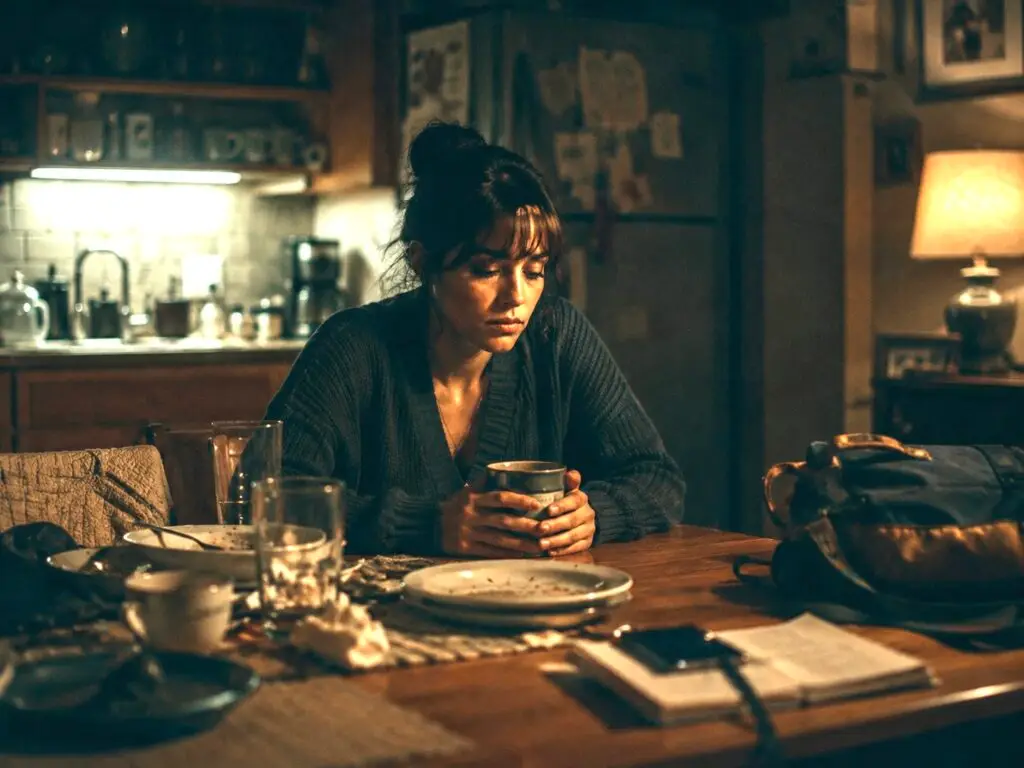
There’s a subtle difference between doing something because you genuinely want to and doing it because your subconscious is looking for approval. One comes from abundance. The other comes from fear — fear of disappointing people, fear of rejection, fear of not being enough.
That’s what makes people pleasing so dangerous. It disguises itself as kindness. Nobody asks you to sacrifice yourself. Nobody tells you to ignore your own needs. Yet you do it anyway because somewhere deep down, you’ve attached your worth to how much you can do for others.
I’ve been there.
In fact, I’d be lying if I said I’m completely free from it today.
Why Women Often Carry This Pattern Silently
I think this pattern is also gender-specific. Now, before anyone jumps in with, “Men have hearts too,” yes, I know. Of course they do. This isn’t about saying men don’t experience people pleasing. They absolutely can.
But I do believe women experience it differently.
If you’re a man reading this, I’d ask you to think about your mother for a second. Think about how many times she put herself second. How many dreams she postponed. How many meals she served before eating her own. How many times she said, “I’m fine,” even when she wasn’t. She probably made your life, your father’s life, your siblings’ lives her priority without ever questioning it.
Before you say, “That’s just what family is,” wait. Think about it a little longer.
What if that wasn’t just love? What if, over the years, she developed a subconscious habit of believing that her value came from constantly doing things for other people?
She wasn’t born believing she always had to come last. She learned it. And because she learned it, she carried it. At the end of the day, she was exhausted. But she never once said, “I’m tired.”
Now that clicks, right?
So, yes. People pleasing is exhausting.
Kindness vs. People Pleasing: The Thin Line
The difficult part is that there’s an incredibly thin line between kindness and people pleasing. Kindness comes from choice. People pleasing comes from obligation. Kindness doesn’t expect validation. People pleasing quietly hopes for it. Kindness leaves you fulfilled. People pleasing leaves you drained.
Most of us don’t notice when we cross that line until we’ve already lost ourselves.
Content Creators: The Modern Face of People Pleasing

And I don’t think there’s a better modern example than content creators. Me being one of them. Ironically, I believe content creators are some of the biggest victims of people pleasing today. We begin creating because we have something to say. We want to express ourselves. We want to build something meaningful. Maybe we hope to turn our passion into a career.
But somewhere along the way, something shifts. The algorithm rewards certain content. A particular style performs better. Certain opinions get more engagement. The numbers start growing. People start expecting more. Without realizing it, we stop asking ourselves:
“What do I want to create?”
Instead, we start asking, “What do people want from me?”
We begin chasing likes instead of ideas. Comments instead of curiosity. Validation instead of expression. Of course, paying attention to analytics isn’t wrong. Every creator should understand their audience. That’s part of the job. But when every creative decision is driven by engagement instead of authenticity, I think that’s another form of subconscious people pleasing.
The audience slowly replaces your own voice. And that’s usually where burnout begins. Because real creation isn’t supposed to feel like performing for approval every single day. It’s supposed to feel like creating. The best work comes when you’re the most yourself — not the version of yourself you think everyone else wants.
My Turning Point
That realization hit me harder than I expected.
I genuinely believed I was just being kind. I thought I was doing the right thing. Instead, I was working against myself. I kept saying yes when I wanted to say no. I kept carrying emotional weight that wasn’t mine. I kept believing that if I disappointed someone, I had somehow failed.
Eventually, it caught up with me. Stress. Exhaustion. Burnout. The more I tried to be everything for everyone else, the less I recognized myself.
That was the turning point. I realized I didn’t need to stop being kind. I needed to stop abandoning myself in the name of kindness.
Box Breathing: The Simple Habit That Helped Me Notice the Pattern
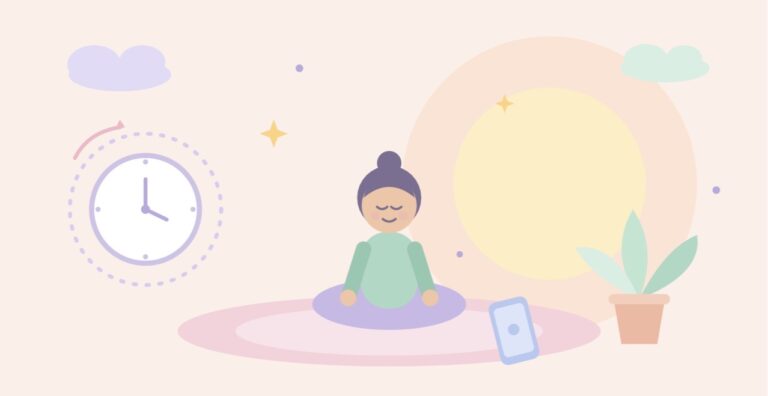
Around that time, I came across a meditation technique called box breathing. It’s incredibly simple.
Breathe in for four seconds. Hold your breath for four seconds. Breathe out for four seconds. Hold again for four seconds. Repeat the cycle four times. That’s it.
It sounds almost too simple to make a difference, but for me, it did. Not because it magically solved people pleasing. It didn’t. What it gave me was something much more valuable.
A pause.
Those few moments were enough to interrupt the automatic urge to say yes. Enough to ask myself one important question: “Am I doing this because I genuinely want to — or because I’m afraid of what happens if I don’t?”
That question changed a lot. I still practice box breathing every day, regardless of where I am or what’s happening around me. It has become less about meditation and more about awareness.
It reminds me that kindness doesn’t require self-sacrifice. That boundaries aren’t selfish. That saying no doesn’t make me a bad person. And most importantly, that my worth isn’t measured by how exhausted I am at the end of the day.
Still Learning, Still Choosing Myself
I’m still learning. Some days I catch myself slipping back into old patterns. Some days I don’t realize it until I’m already overwhelmed.
But that’s okay.
Maybe overcoming people pleasing isn’t about becoming someone who never struggles with it again. Maybe it’s simply about noticing it sooner.
Choosing yourself a little more often. And remembering that genuine kindness should leave room for you, too.








One Comment