10 Ways to Stop Living on Autopilot and Start Feeling Present Again
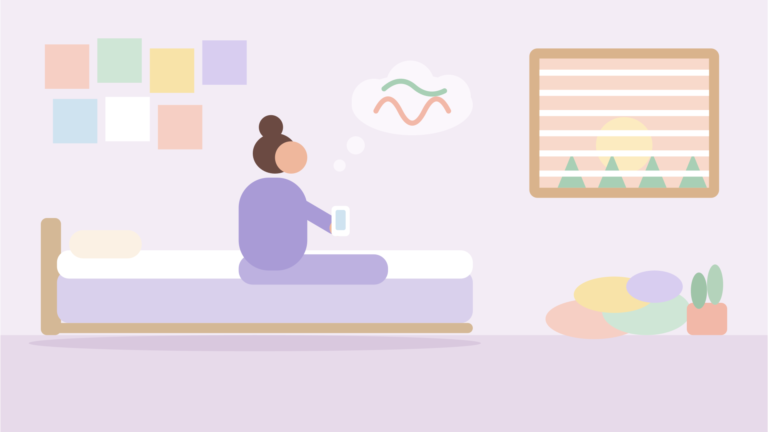
How many years has it been that you keep feeling like you’re repeating the same year again and again? Your life is moving, but you feel stuck in a time loop.
You wake up at 8, scroll Instagram for an hour, go to work, come back, scroll Instagram, have dinner, watch Netflix, and sleep. Next day, the same loop again.
If you’re being realistic, you’d admit we’re literally moving on autopilot. You don’t even think before reaching for your phone and tapping that one app.
Some days you’re mentally exhausted and questioning your life choices. But do you truly wish to make a change? Not really, because we feel safe and secure with our autopilot system, and we refuse to embrace change.
The problem with living on autopilot is that you do everything you need to without actually experiencing it.
You play a show on Netflix, but five minutes later you’re grabbing your phone and texting. Why? Because our attention span is messed up, and we are, literally, living on autopilot.
Well, autopilot isn’t always bad. Habits save mental energy. The problem begins when you stop choosing your habits and your habits start choosing your life.
If any of this sounds familiar, this post covers why it happens and 10 simple ways to feel present again.
Why Repetition Makes Time Feel Faster
While I was working as a flight attendant, I met so many seniors who kept saying, “It’s been 16 years of flying, but it feels like yesterday that I joined the company.”
I used to wonder, “Does time really pass that quickly? Why do people say it like no time passed at all?”

Now it’s been four years for me, and I feel like I did literally nothing to grow as a person. I gained experience as a flight attendant, and four years of life experience, but when I think about what I did I build for myself, when I don’t have a job, my brain goes blank.
It feels like I was just repeating the same schedule for four years, which was mostly like:
- Monday: Work + phone + dinner + sleep + Netflix.
- Tuesday: Work + phone + dinner + sleep.
- Wednesday: Same + extra sleep, because cabin crew life is all about getting jet lagged and fatigue.
When I look back, there is very little that separates one day from another.
Our lives are made up of days, and every one of them counts, which is why we need to learn to be more present and embrace the things we do.
We need to deliberately break the routine and make room for new experiences, so we can build a life we truly feel good about. So, here are the 10 ways to Stop Living on Autopilot and Start Feeling Present Again.
1. Create a Phone-Free First 30 Minutes
This sounds like too much. We’re so wired that staying away from your phone after you wake up feels almost impossible, since reaching for it is the first thing we do. But that’s exactly why you should do it.
Let your first 30 minutes of consciousness be distraction-free. Don’t let notifications decide what your brain focuses on when you wake up. Give yourself 30 minutes before Instagram, WhatsApp, YouTube, and the rest.

Instead, drink water first thing in the morning and notice how you feel. Maybe stretch. Sing, dance, or have breakfast mindfully. Then you can expose yourself to the world through your phone and notifications.
2. Break One Automatic Habit Every Day
Say you’ve trained yourself out of reaching for your phone first thing in the morning. The next day, keep that up and break another autopilot habit, like subconsciously opening Instagram or TikTok the moment you’re alone in your own head.
Autopilot thrives on repetition. Deliberately change one small thing each day and keep it up.
Take a different route. Buy a different meal. Walk somewhere new. Listen to a different genre of music.
The point is to remind your brain that you’re making choices, not to chase novelty for its own sake.
3. Use the “Pause Before You Act” Rule
Another habit worth training is pausing to think before you do something.
Right now, you probably reach for the TV remote and click on Netflix without thinking.
The next time you reach for it, pause for a moment and ask yourself, “Did I choose to do this, or did I just do it automatically?”
The answer may seem obvious, but make a quick decision anyway, instead of clicking on Netflix subconsciously.
Do the same whenever you automatically open an app, eat something, buy something impulsively, reply to someone immediately, or procrastinate. Pause for 3–10 seconds and ask the same question.
That tiny pause creates awareness between the impulse and the action.
4. Stop Multitasking During Ordinary Activities
You’re talking to your friend, and you’re discussing something important. Your phone buzzes with a notification and your attention is diverted.
While talking to your friend, you check it and start texting the person who sent it. Now you’re struggling to keep up with what your friend is saying, and by the time you realize it, the conversation is already lost.
This is how we play the game of multitasking in the modern world. Divided attention keeps you stuck in the loop of feeling like you’re not doing enough, not enjoying the present, and not actually engaging in anything.
Do only that. Eat without watching something. Walk without scrolling. Talk to someone without checking your phone. Listen to music without doing something else.
Multitasking makes you do more things while often experiencing less of them.
5. Schedule Something You Look Forward To
Living a monotonous life keeps us stuck on autopilot for a long time. It doesn’t matter whether you work a 9-to-5 or an off-schedule job.
Put one thing on your calendar that you look forward to, because these small things make life more exciting than you’d think.
When everyday life consists of obligations, it’s easy to become just another busy person.
So plan something small, like a meal you love, or something that has been waiting for you, like going to the gym, meeting new colleagues, or exploring somewhere new.
If your life feels monotonous, make it a little more interesting. Plan distant events. Create landmarks in your life.
6. Give Yourself Periods of Boredom
I know boredom is something we hate experiencing. It’s also why we’re addicted to technology: our phones are our escape from boredom.
But, Did you know? The phones you are using right now wouldn’t have been invented if people weren’t bored back then? Boredom is how they got the idea of actually doing something.
When you’re bored, you scroll reels and shorts, which makes your brain feel like it’s doing something. But that’s nothing but cheap dopamine, and it feeds a lot of the negative emotions you feel.
Being bored for real means sitting by yourself, keeping your phone out of reach, and seeing how your brain finds something real and productive to do.
A few ways to start:
- Have at least 15–20 minutes a day without entertainment.
- No scrolling.
- No Netflix.
- No podcasts.
- No constant music.
Just walk, sit, think, and allow yourself to experience boredom without immediately trying to escape it.
You’ll probably feel uncomfortable at first. That’s useful, because it shows how dependent you’ve become on constant stimulation.
7. Give Each Day One Clear Intention
It’s a bit challenging to wake up motivated when you know you have to sign in at 9 a.m. for work.
But if you decide the moment you wake up that, after work, you’re going to do something you’ve been wanting to do for a long time, you’ve set an intention and given yourself something to look forward to.
I know how exciting it feels when we have a date set up after work. Set up something like that for yourself each day.
Instead of waking up and simply reacting to whatever happens, you give your day a direction, and that’s one of the ways to have a nice day.
8. Keep a “Three Moments” Journal
With a tired mind, I know how hard it is to actually think, which is why, before sleeping, you only write three things. They can be just a few words each: three specific moments that made your day a bit better than yesterday.
This helps you tell your days apart.
Keep the journal on your bedside table so it’s easy to reach, and write in it before you sleep.
This forces your brain to notice and encode the details of your life instead of letting the day disappear as an indistinguishable block of time.
9. Do One Thing That Challenges You Every Week
If you’re here, you’re already self-aware that you’ve been repeating the same days and years, and I’m proud of you for realizing that.
But if you really want to change the autopilot system your brain has set, you have to embrace change. Living differently from most people is how you take a step closer to breaking free from these chains.
That’s why you should choose one thing every week that takes some effort or courage:
- Go somewhere alone.
- Start a class.
- Talk to a stranger.
- Try a new hobby.
- Make something by yourself.
- Exercise somewhere different.
Do that thing that has been on your mind but that you keep postponing because of a lack of courage or energy.
Growth and novelty create experiences that stand out from your routine.
10. Have a Weekly “Life Audit”
I think we all do this subconsciously. One night we scroll through our gallery, see photos from two or three years ago, and realize how far we’ve come from where we were. And that’s necessary.
But on this journey of self-awareness and personal growth, it can be hard to keep up. Sometimes you might want to give up and go back to the old ways.
That’s exactly why you should assess yourself each week, to see how far you’ve come and stay motivated.
Once a week, spend 15 minutes asking yourself:
- What did I spend most of my time doing?
- What made me feel alive?
- What drained me?
- What did I do purely out of habit?
Then change one thing, because awareness without adjustment doesn’t change much.
Final Thoughts
Life is all about experiencing things, but living on autopilot means you’re mostly stuck in a routine you don’t want.
The first step toward self-development is realizing you’ve been running on autopilot. Be proud that you’ve already taken that step, because most people never do.
You don’t need to completely reinvent yourself or your life to escape autopilot. You need to interrupt unconscious patterns and deliberately put your attention back into life, habit by habit.
The opposite of autopilot isn’t productivity. It’s awareness. You don’t have to make your everyday life extraordinary. You just have to be there.
Your life isn’t only about the big moments you’re waiting for. It’s also about the ordinary Tuesday afternoon you’re living right now. Don’t sleep through it.
If this article helped you see why being present matters and how to rescue yourself from autopilot, I’m glad it served its purpose.
I’d suggest writing these points down and keeping them somewhere close to stay on track. Also, consider subscribing to the newsletter for more insights on your personal growth journey.
Thank you for being here.